What Is Bruxism?
Bruxism is grinding or clenching your teeth, and it often happens while you sleep. It can be caused by stress and anxiety, but also by sleep disorders, an abnormal bite, or teeth that are missing or crooked.
Common symptoms include:
- Dull headaches
- Jaw soreness
- Teeth that are painful or loose
- Fractured teeth
- Worn or flattened tooth surfaces
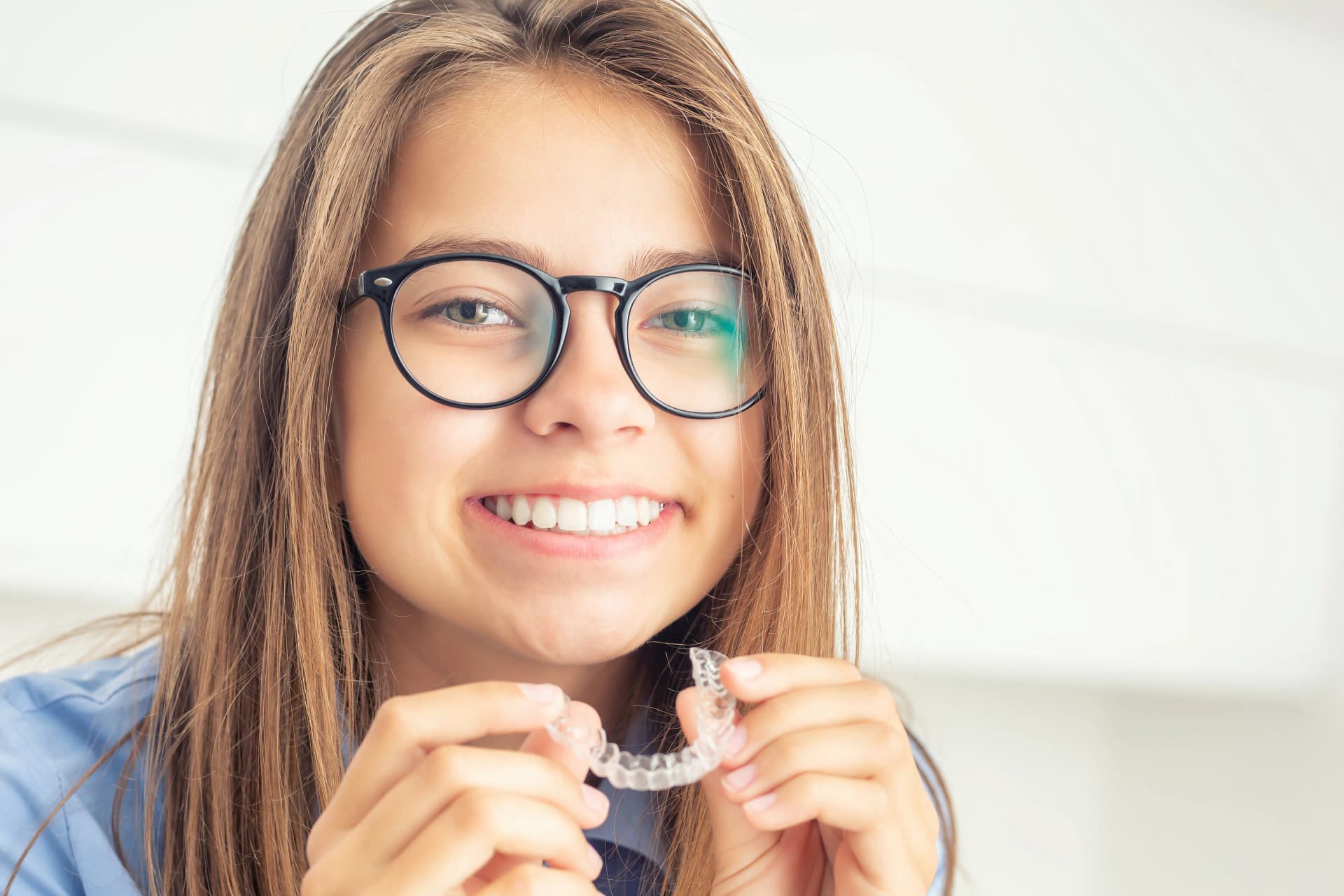
Your dentist can fit you with a mouth guard to protect your teeth during sleep. In some cases your dentist or physician may suggest other steps. If stress is a cause, finding ways to relax, such as meditation, counselling and exercise, can help.
Teeth Grinding in Children
Grinding is also common in children. Because their teeth and jaws change and grow quickly, it is not usually a damaging habit that needs treatment, and most children outgrow it by adolescence. Possible causes in children include irritation in the mouth, allergies and misaligned teeth. If you are worried about your child, ask us. Our parent FAQs answer common questions.
Types of Mouth Guards
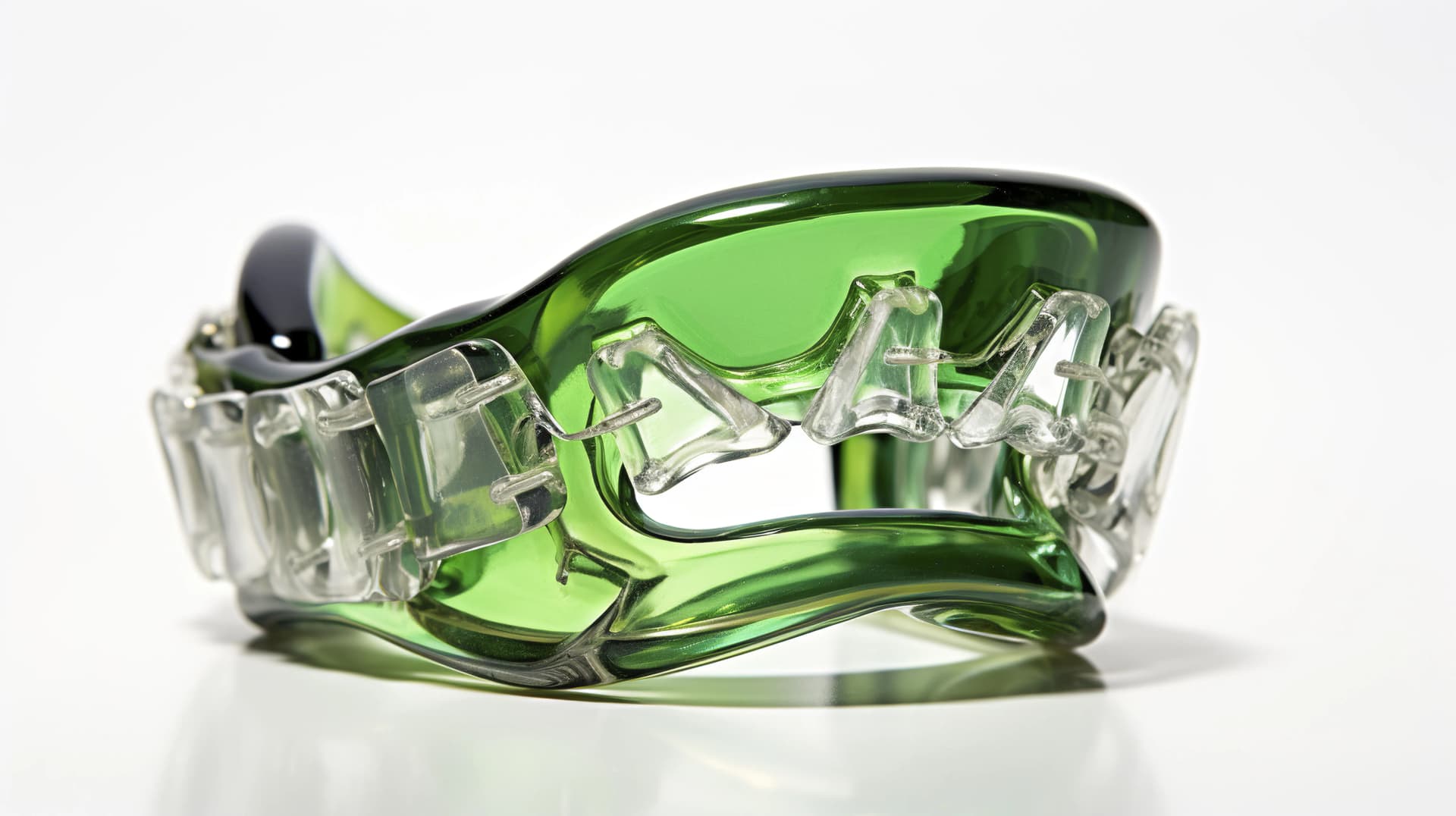
Generally, mouth guards cover your upper teeth only, but in some cases, such as when you wear braces or another fixed appliance on your lower jaw, your dentist will make a guard for the lower teeth as well. An effective mouth guard should be comfortable, resist tears, be durable and easy to clean, and should not restrict your breathing or speech. There are three main types:
- Stock mouth protectors: Preformed and ready to wear. They are inexpensive and sold at many stores, but little can be done to adjust the fit. They are bulky, can make breathing and talking difficult and provide little or no protection. Dentists do not recommend them.
- Boil-and-bite mouth protectors: Also sold at many stores. They are made of a thermoplastic material that is softened in hot water and shaped around your teeth. They may fit better than stock guards.
- Custom-fitted mouth protectors: Individually designed and made in a dental office or professional lab from your dentist's instructions. Your dentist makes an impression of your teeth, and the guard is moulded over the model using a special material. They cost more than other types because of the material and the extra time and work involved, but they provide the most comfort and protection.
Night Guard or Sport Guard?
A night guard is worn while you sleep to protect your teeth from grinding and clenching. A sport guard is worn during contact and other sports to protect teeth, lips and gums from injury. Your dentist can suggest the best option for you.
Before Your Visit
- Tell us about any symptoms, such as jaw soreness, headaches or morning tooth pain.
- Let us know if you play sports and which ones.
- Bring any existing guard you use so we can check its fit.
- Tell us about any braces or fixed appliances.
- Bring insurance information, if you have it.
After Your Treatment
- Wear it as instructed. It may feel strange at first, and most people adjust within a short time.
- Clean it after each use with a toothbrush and cool water, and store it in its case.
- Keep it away from heat, which can warp it, and out of reach of pets.
- Bring it to your checkups so your dentist can check the fit.
- Call us if it hurts, no longer fits well, cracks, or your symptoms get worse.
Costs, Insurance and Payment
Costs depend on the type of guard. We provide free cost estimates, bill all major and government insurance plans directly where coverage applies and follow the Alberta Dental Fee Guide. Instant financing with easy monthly payment plans is available.
Why Choose Heritage Valley Dental?
- Custom guards made from an impression of your own teeth
- A dentist who explains the best option for you
- Care for children, teens and adults
- Open seven days a week in South Edmonton
- Direct billing and free estimates